


The desert climate poses unique challenges for seniors. At Arizona Royal Care Home, we understand how essential hydration is, especially in assisted living settings where residents may not always recognize thirst.
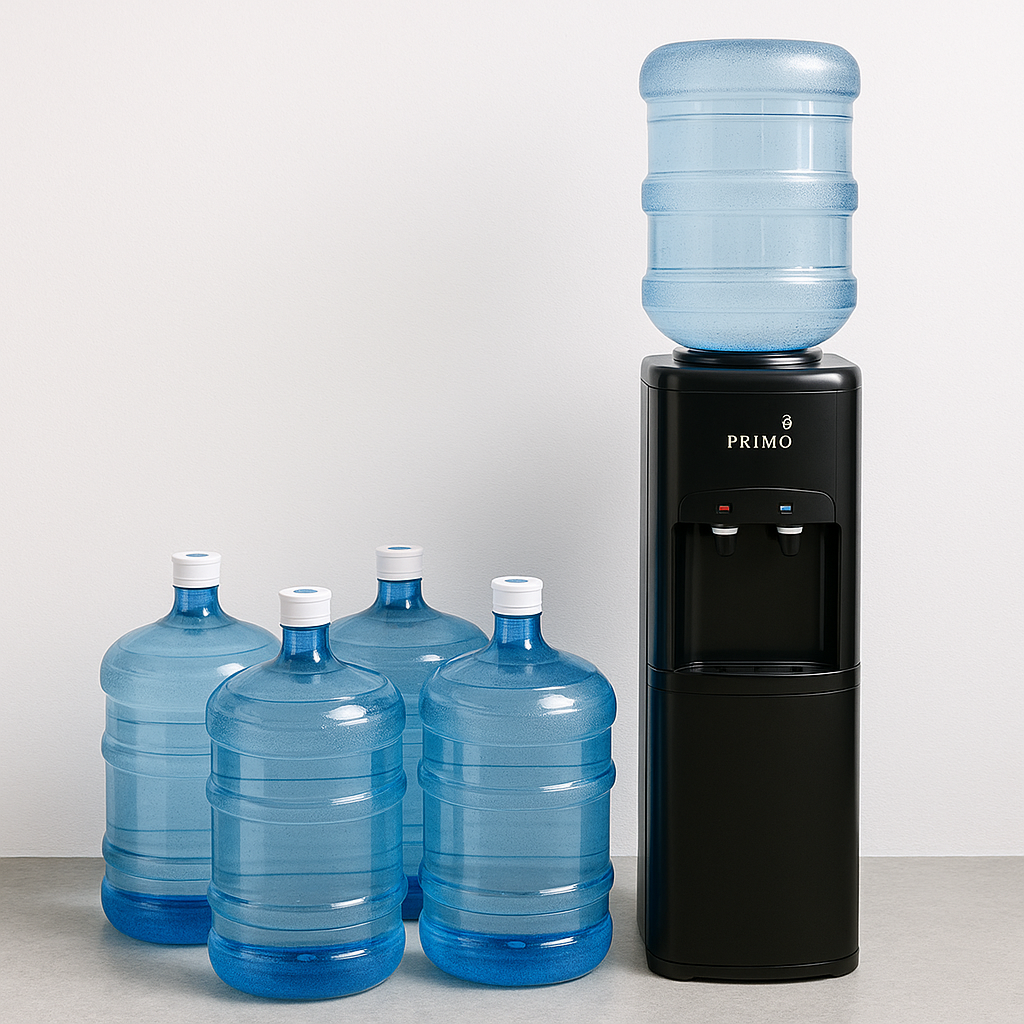
Seniors in assisted living communities are particularly vulnerable to dehydration. Factors like medications, reduced mobility, and lower thirst perception can make it difficult to stay hydrated. In dry Arizona climates, even short periods outdoors or air-conditioned environments can increase water loss. That’s why proper hydration routines are built into daily life here at Arizona Royal Care Home.
Why Hydration Matters More for Seniors
As we age, our body’s ability to conserve water decreases. Seniors may not feel thirsty until dehydration has already started. This can lead to serious health issues, such as urinary tract infections, dizziness, kidney problems, or even confusion.
In addition, many seniors take medications that further deplete hydration levels. Diuretics, laxatives, and blood pressure medications can all contribute. Combined with dry weather, the risks multiply without proper monitoring.
It supports body temperature, joint health, digestion, and circulation. For seniors, these systems are already more fragile. That’s why water isn’t just refreshing, it’s vital.
Assisted Living Facilities Play a Vital Role
At Arizona Royal Care Home, assisted living goes beyond medication management or meal service. Our staff keeps a close eye on hydration habits throughout the day. We understand that simply offering water isn’t enough. We actively encourage drinking fluids by making it easy, enjoyable, and part of every routine.
Personalized care plans help us identify those at higher risk of dehydration. Residents receive reminders during activities, meals, and even social time. We make hydration part of the culture, whether it’s flavored water during bingo or cold drinks after a morning walk.
Every member of our team is trained to recognize early signs of dehydration, including dry lips, fatigue, low urine output, or confusion. Prompt intervention is key.
Signs of Dehydration in Seniors
It’s easy to overlook the subtle signs. That’s why family members and caregivers in assisted living communities must stay alert. Common symptoms include:
- Dry mouth or lips
- Headaches
- Reduced urination
- Dark yellow urine
- Fatigue or confusion
- Dizziness or fainting
Early detection can prevent hospitalization or more severe consequences. At Arizona Royal Care Home, we document fluid intake and check in with residents frequently, especially after outdoor activities or during hot Scottsdale afternoons.
Making Hydration Easier and More Enjoyable
Staying hydrated doesn’t mean chugging plain water all day. In assisted living, we offer a variety of options to keep fluids interesting and appetizing:
- Fresh fruit-infused water (like lemon, cucumber, or strawberry)
- Herbal teas or low-sugar iced tea
- Coconut water or electrolyte-enhanced drinks
- Broths and warm soups for those who prefer hot beverages
We also include high-water-content foods like watermelon, oranges, cucumbers, and celery in meals and snacks. These choices help meet goals while also supporting nutrition.
Assisted living is about creating a healthy, comfortable environment.
Why Dry Climates Demand Extra Attention
Low humidity increases the risk of dehydration. Even when it doesn’t feel hot, the dry air draws moisture from the skin and respiratory system. Seniors may not realize they’ve lost fluids until symptoms appear.
Assisted living communities in Arizona must go above and beyond to protect residents. That’s why Arizona Royal Care Home focuses on prevention. Whether it’s tracking fluid intake or adjusting air conditioning to reduce dryness indoors, we make sure hydration remains a top priority.
How Families Can Help from a Distance
If you have a loved one in assisted living, you can support their hydration habits even if you’re not nearby. Ask about hydration routines during care meetings. Send hydrating snacks or favorite drinks. Encourage your loved one to drink more during calls or visits. Small gestures can reinforce healthy habits.
Families often assume hydration is a given in assisted living, but extra attention makes a difference. Arizona Royal Care Home works with families to tailor goals to each resident’s needs.
Building Habits that Support Longevity
Staying hydrated keeps seniors feeling more energized and alert. It supports independence and reduces the risk of medical complications. At Arizona Royal Care Home, we believe hydration is foundational to high-quality assisted living.
With personalized care, daily monitoring, and proactive routines, we make hydration a built-in part of healthy aging. In a dry climate like Scottsdale, this isn’t just good practice; it’s essential.
Final Thoughts
Assisted living in dry climates demands thoughtful planning. Hydration is a cornerstone of good senior care, especially in places like Scottsdale, where the environment increases the risk of water loss. At Arizona Royal Care Home, we make sure every resident is supported with daily habits that are both effective and enjoyable.
We invite families to visit and tour our community and see how we prioritize every aspect of senior wellness, including the simple yet powerful act of staying hydrated.