


Receiving a dementia diagnosis for a loved one can feel overwhelming. Whether it’s a parent, spouse, or close friend, understanding how to navigate this life-changing moment is essential. Many families in Scottsdale, AZ, often seek guidance on providing proper dementia support, choosing the right level of elderly care, and knowing when assisted living becomes necessary.
In this guide, we’ll explore how you can support someone with dementia, emotionally and practically, while protecting your own well-being.
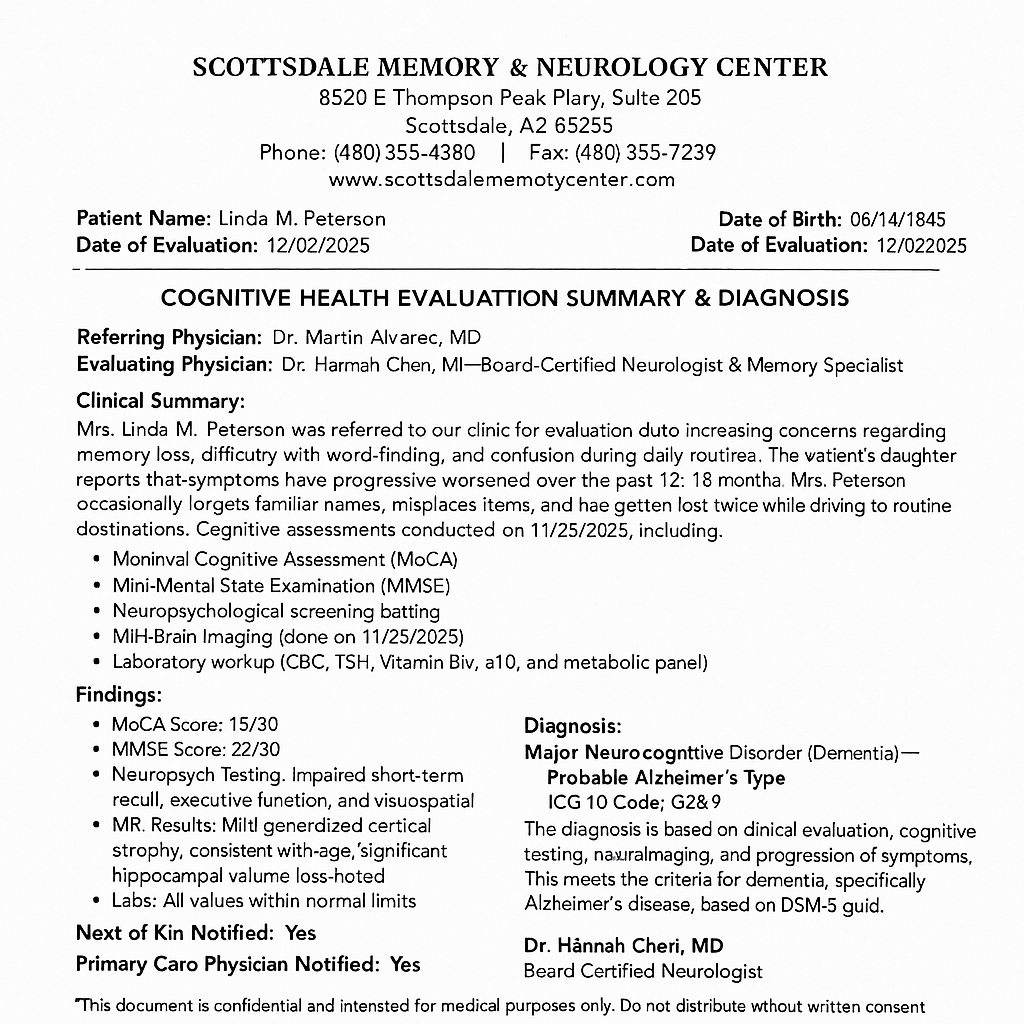
Understanding the Diagnosis
Dementia affects memory, communication, and reasoning. It progresses differently for each person. Some experience changes slowly, while others face a rapid decline. Though there is no cure, early planning can create a more stable future.
Family members often feel a mix of emotions: fear, grief, guilt, and confusion. All are valid. Recognizing that the diagnosis is not the end, but the beginning of a new journey, can help shift perspective.
Step 1: Educate Yourself and Your Family
Start by learning about dementia. Knowledge provides strength and clarity. Understand the types of dementia, like Alzheimer’s disease or Lewy body dementia, and how each behaves.
Attend local workshops or look for trusted elderly care resources online. Arizona Royal Care Home also provides educational materials and can connect you with support groups nearby.
When the whole family understands the condition, communication improves, and stress is reduced.
Step 2: Create a Safe and Familiar Environment
As dementia progresses, familiar routines bring comfort. Keep daily activities predictable. Avoid rearranging furniture or introducing new technologies too quickly.
Remove tripping hazards, label drawers, and install nightlights. Safety is essential, but so is dignity. Ensure changes feel supportive, not restrictive.
Consider a professional home safety assessment. This can help you identify risks you might overlook.
Step 3: Communicate with Patience and Compassion
People with dementia may struggle to find the right words or remember details. You can help by:
- Speaking slowly and clearly
- Making eye contact
- Using simple, kind language
- Repeating or rephrasing gently
Avoid arguing or correcting them. If they believe it’s morning when it’s evening, meet them where they are emotionally. Compassion builds trust.
Even during memory loss, feelings remain. A smile, touch, or calm tone speaks louder than logic.
Step 4: Prioritize Health and Routine
Balanced meals, regular exercise, and good sleep are vital. These can slow the decline and improve the quality of life.
Keep appointments with doctors, especially those focused on elderly care or neurology. Medications may help reduce symptoms or agitation.
Routine matters. Schedule meals, walks, and hobbies at the same times each day. A predictable rhythm lowers anxiety.
In Scottsdale’s dry, sunny climate, outdoor walks can boost mood—but always use sun protection and hydration.
Step 5: Recognize When You Need Help
Caregiving is a full-time job. Burnout happens when families try to do it all. You may feel guilty stepping back, but asking for help is strength, not failure.
Assisted living communities, like Arizona Royal Care Home, specialize in memory care. These environments are designed for safety, enrichment, and personalized support.
Whether it’s temporary respite care or a permanent move, professional elderly care can dramatically improve your loved one’s quality of life—and yours too.
Step 6: Plan Ahead for Legal and Financial Needs
Dementia makes long-term planning urgent. While your loved one is still capable of decision-making, arrange:
- Power of attorney
- Healthcare directives
- Wills or trusts
Consult with local elder law attorneys in Scottsdale for guidance. Early planning reduces stress later.
Include your loved one in decisions. This gives them a sense of control and reassurance.
Step 7: Maintain Emotional Connection
Even if your loved one forgets names or places, they remember feelings. Connection remains long after facts fade.
Spend time doing activities they enjoy: listening to music, gardening, or simply sitting together.
Celebrate small wins, like a smile, a laugh, or a clear sentence. These moments matter.
If you’re feeling isolated, join a dementia caregiver support group in Scottsdale or online. Shared stories bring strength.
Step 8: Consider Assisted Living with Memory Care
Eventually, the needs of someone with dementia may exceed what family can provide. That’s when memory care within an assisted living setting becomes essential.
At Arizona Royal Care Home, we specialize in helping families through this transition. Our Scottsdale facility offers:
- Secure, peaceful environments
- Personalized dementia care plans
- Activities that stimulate memory
- Trained staff available 24/7
We understand how deeply personal this journey is. Our mission is to provide dignity, compassion, and safety for every resident.
You’re Not Alone
Dementia doesn’t just affect one person; it affects everyone who loves them. As your loved one’s needs grow, so will your role. It’s okay to feel unsure. What matters most is that you show up with love and patience.
Resources exist to help you through. In Scottsdale and surrounding cities, families trust Arizona Royal Care Home to offer compassionate dementia care grounded in dignity.
Remember: You are not alone. We’re here to walk beside you.
Arizona Royal Care Home
Personalized Assisted Living & Dementia Care in Scottsdale, AZ
